



Accelerating electronic wear prediction
IMSE proposes efficient solutions for modeling large-scale circuit degradation
1 min read
Researchers from the Institute of Microelectronics of Seville (IMSE-CNM), in collaboration with the Technical University of Munich, have published an article examining a phenomenon that affects the reliability of electronic chips. Their components degrade over time, causing circuits to function more slowly or even fail.
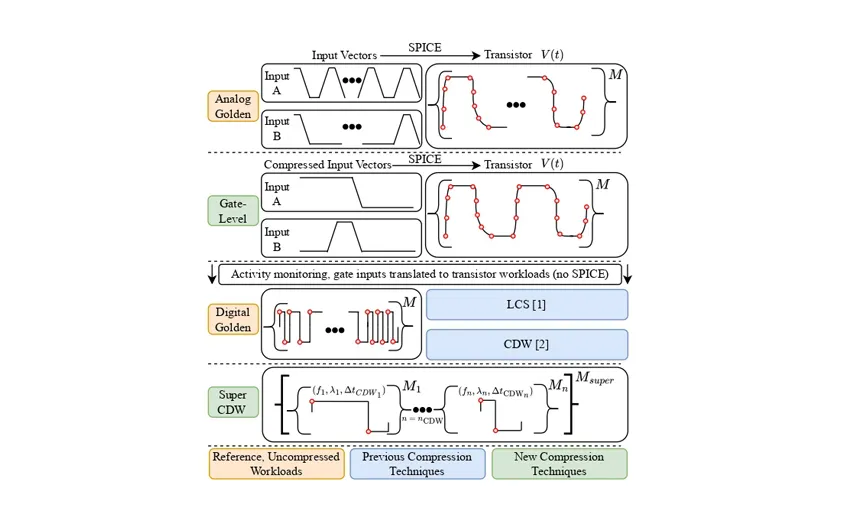
Currently, there are highly detailed scientific models that accurately simulate how this problem affects the transistor level (the basic building blocks of chips). But there is a major drawback: these models are so complex that applying them to large circuits would be very difficult because it would take too long to calculate. To solve this problem, the study proposes compressing the information required by these models so that they can be executed quickly and reliably.
In addition to the technical and scientific value of the study, it is worth highlighting its relevance in the context of sustainability. More accurately understanding and predicting the wear and tear of electronic circuits allows for the design of more durable and resilient systems, which directly contributes to the fight against premature obsolescence of electronic equipment. By extending the lifespan of devices, the need for frequent replacements is reduced, resulting in significant savings in natural resources, critical raw materials, and energy associated with manufacturing processes. This efficiency results in a positive environmental impact, making the design of more robust microelectronics an essential pillar for the conservation of the planet and the advancement of more sustainable and responsible electronics.
This information and other details can be found at https://ieeexplore.ieee.org/abstract/document/11015631.
From IMSE, we would like to congratulate Andrés Santana, Rafael Castro, Elisenda Roca, and Francisco V. Fernández for this research and congratulate them on its subsequent publication in one of the most prestigious journals in the field of microelectronics.
Keep reading
Research
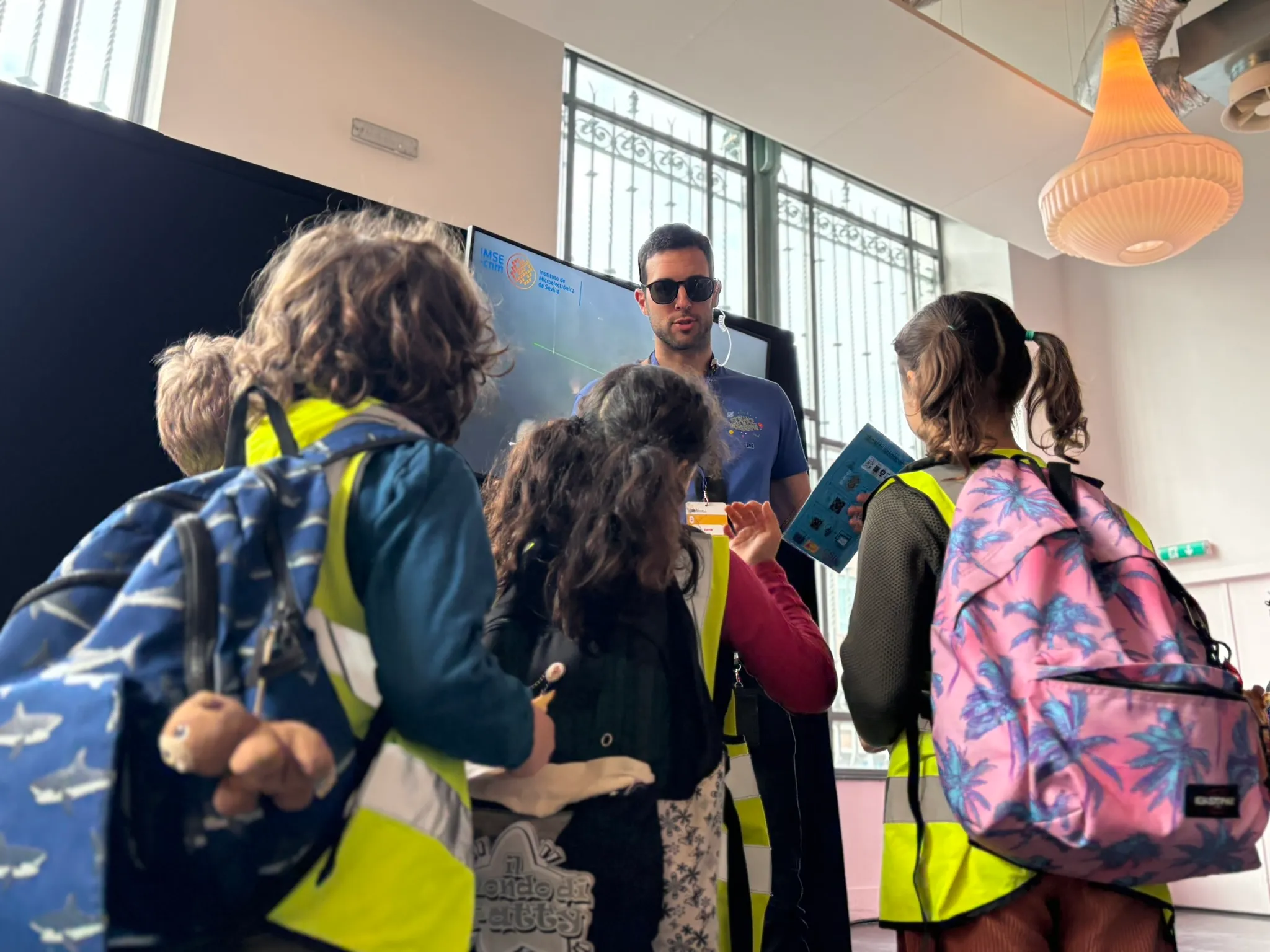
The IMSE-CNM will return to Brussels to bring cybersecurity closer to the European public
'Science is Wonderful!', the international science fair organized by the European Commission, will be held in Brussels from March 16 to 19, 2027, and will once again feature—for the fourth consecutive year—a team of researchers from the Institute of Microelectronics of Seville (IMSE-CNM)

Research
IMSE is co-leading a European project that seeks to strengthen technological autonomy in semiconductors
The ODE4EC-AMS initiative, which brings together 25 partners from 11 countries and has a budget exceeding €15 million, seeks to boost European competitiveness and technological autonomy and facilitate access to advanced chip design technologies
Research
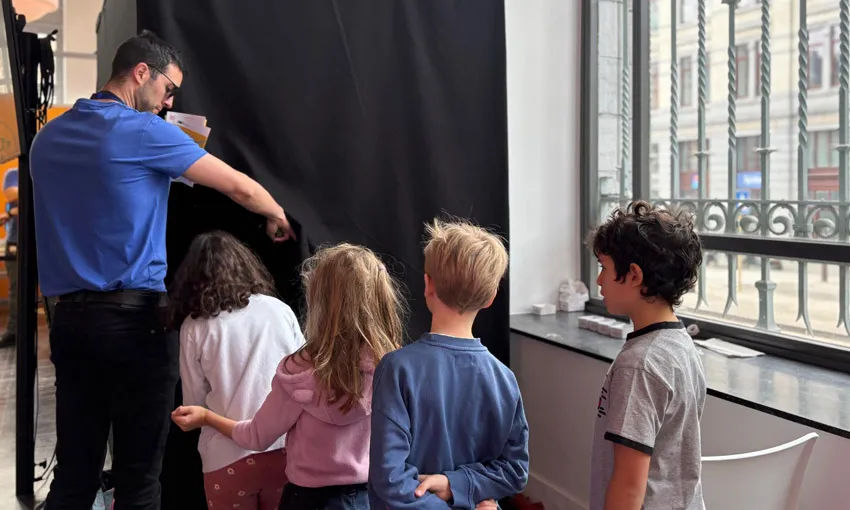
Dodging lasers to understand digital security
Through a laser maze and cryptographic challenges, researchers from the center brought key concepts of digital protection closer to hundreds of students from all over Europe