


Institute
The Equality Committee of the Institute of Microelectronics of Seville (IMSE-CNM) was set up in line with the equality policies of the Spanish General State Administration and of CSIC, and specifically with CSIC's Equality Plan, which states:
«In those Institutes and Centres where it is deemed appropriate, equality committees may be set up, voluntarily and as a matter of good practice, to promote the equality policies set out in the Equality Plan of CSIC and of the University of Seville in force at any given time.»
As a joint centre of CSIC and the University of Seville, IMSE-CNM draws on the well-known experience and commitment of the Seville university community, with the aim of spreading and promoting knowledge of its equality policies.
Members
6 people
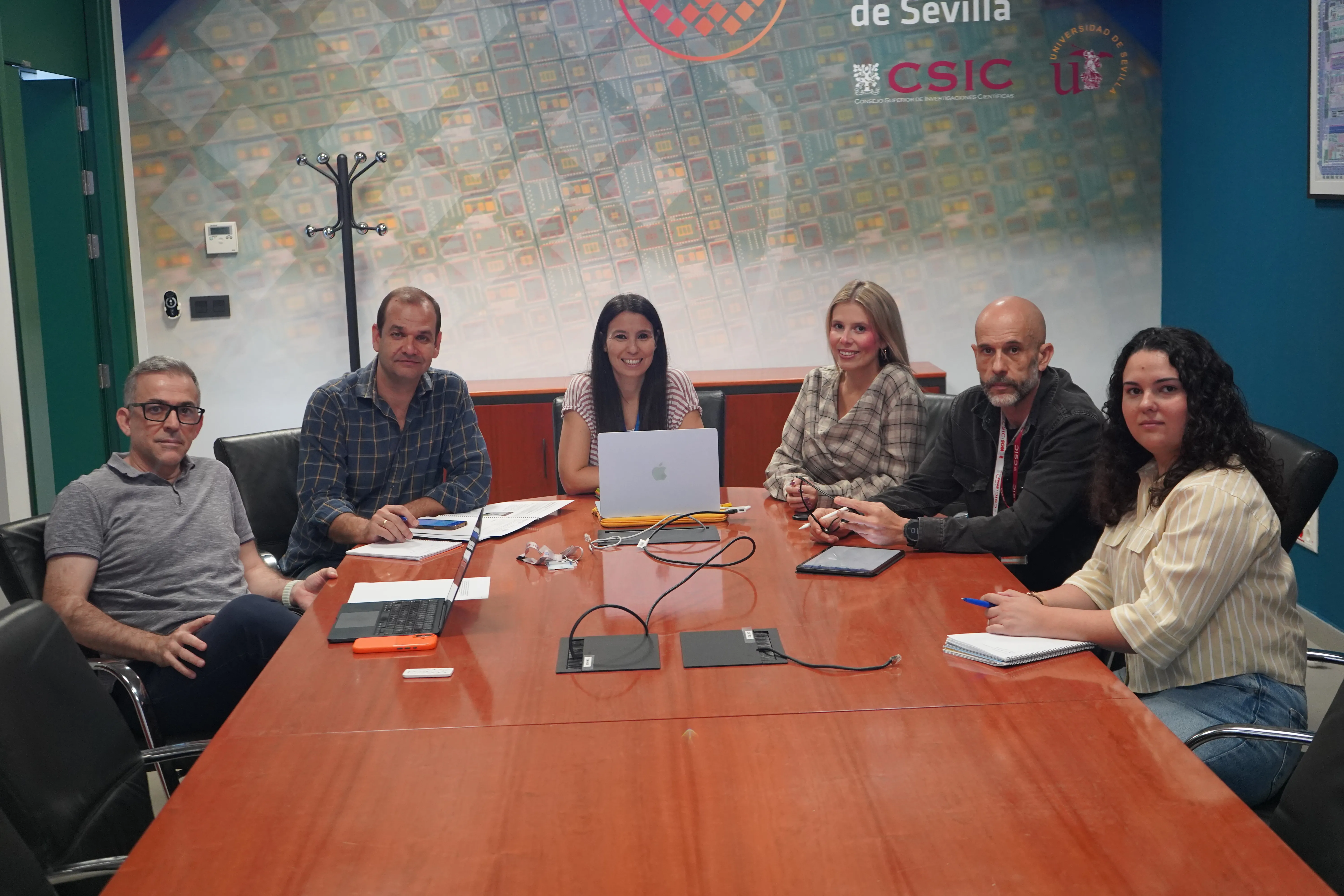
- CoordinatorMacarena Martínez Rodríguez
- SecretaryManuel Gordillo Herráez
- Rafael Castro López
- Rocío Moreno Gutiérrez
- Gustavo Liñán Cembrano
- Sofía Villar Donaire
Any suggestions?
Write to usGoals
- Spread and promote knowledge of the equality policies of CSIC and the University of Seville.
- Make known the institutional activities and decisions on equality policies.
- Channel the proposals and suggestions IMSE staff may make on the subject.
- Carry out a diagnosis of the state of equality at IMSE.
- Promote training in equality for staff and committee members, as well as training against sexual and gender-based harassment, preferably within the training plans of CSIC and the University of Seville.
- Promote, together with the management, equality in IMSE's functional and organisational structures.
- Encourage the inclusion of sex/gender in research and innovation, and training in it, furthering the integration of sex/gender analysis in research.
- Through specific actions, raise the profile and role of women at IMSE (researchers, technicians…) as role models for current and future generations.
Gallery
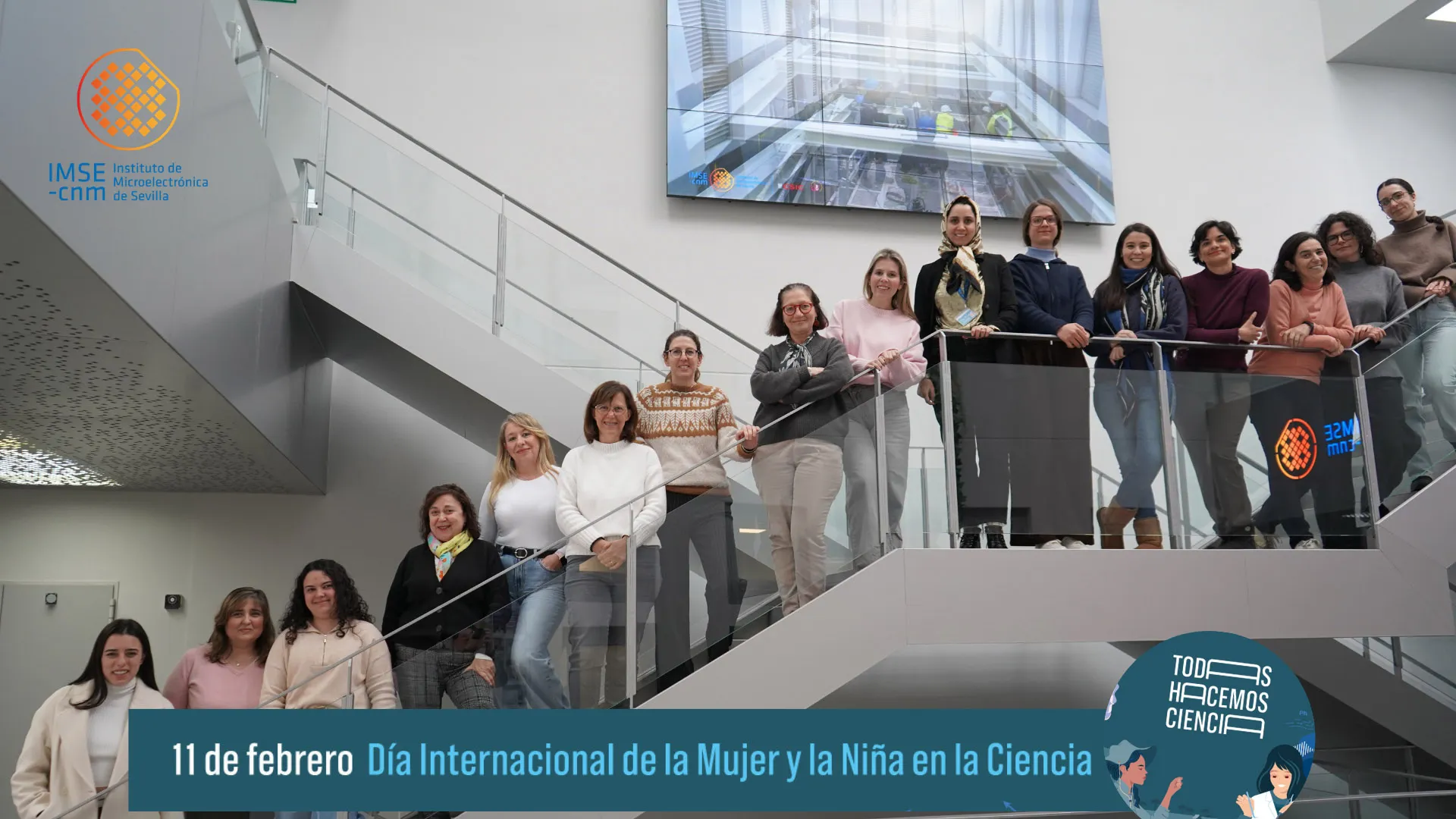
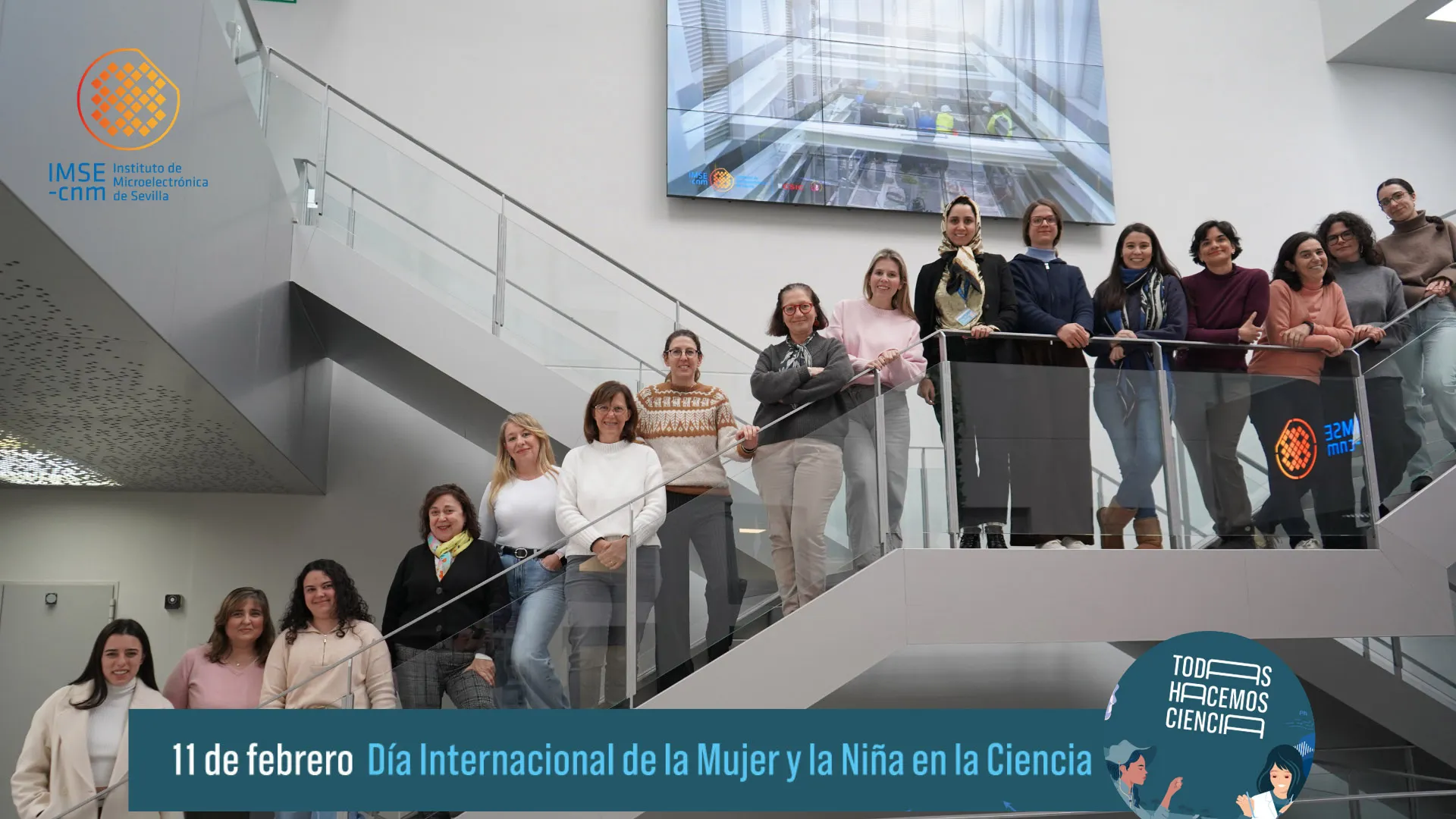
11 February, International Day of Women and Girls in Science
News and training
2026
October 2026
Monthly meeting of the IMSE Equality Committee (opens in a new tab)July 2026PDF
CSIC Women Researchers Report 2026 (opens in a new tab)Until 30 September 2026
Course on including people with intellectual disabilities at work (opens in a new tab)For all CSIC staff: the basics of disability and practices that help include people with intellectual disabilities at work.
June 2026
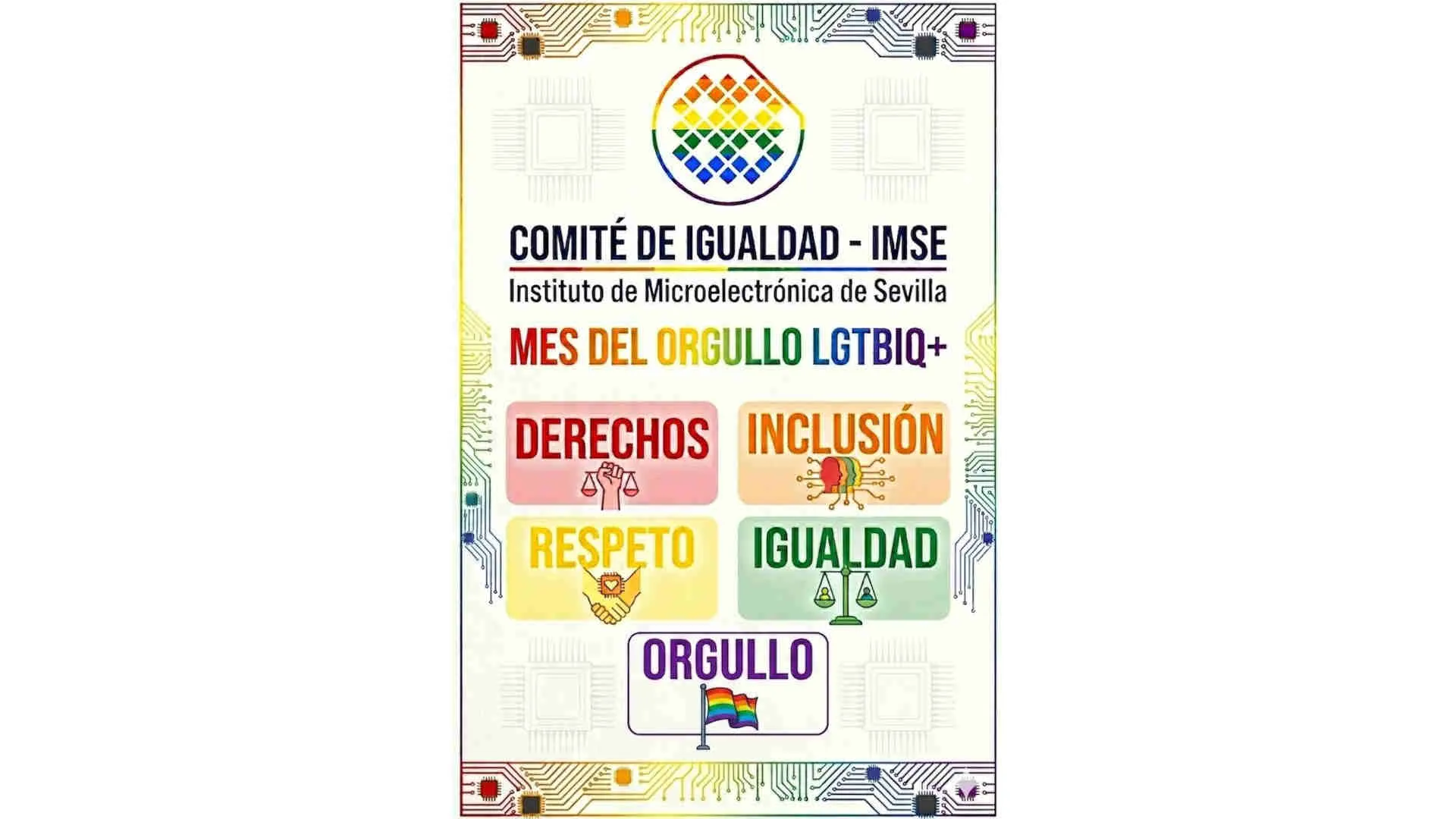
June, LGBTQ+ Pride Month: at IMSE-CNM we reaffirm our commitment to inclusive, respectful research open to everyone (opens in a new tab)- Survey for the project “Barriers to Motherhood for Women Academics in Spain” (opens in a new tab)
From 27 April to 27 May 2026PDF
Equality, gender and diversity (virtual classroom and online), 1st edition (opens in a new tab)A 30-hour course by CSIC's Deputy General Secretariat for Human Resources for directors, managers and members of the institutes' equality committees. Applications to srhgf@csic.es by 20 February 2026.
11 February 2026
IMSE's Café con Ciencia for 11F
11 February 2026
11F CSIC 2026: over 200 activities mark the Day of Women and Girls in Science (opens in a new tab)
2025
11 December 2025
5th Day of reflection on harassment at university (opens in a new tab)1 and 22 October, 5 and 19 November 2025
Conference on violence against women in healthcare (opens in a new tab)Organised by the Association for the Defence of Public Healthcare, with the University of Seville.
6 and 7 October 2025
6th Seminar on the History of Work from a gender perspective, “Women, workers and migrants: debates between past and present” (opens in a new tab)6, 8 and 9 October 2025
Workshop on women's leadership in business management (opens in a new tab)20 and 27 October 2025
Seminar “Video games in the feminine”: an educational gender view of how women are portrayed in the industry (opens in a new tab)- CSIC Aprende: three micro-learning experiences to promote respectful, equal workplaces free from discrimination (opens in a new tab)
- CSIC Virtual Campus: preventing and acting on harassment (opens in a new tab)
25 and 26 September 2025
International Congress on Gender Equality in Latin America (opens in a new tab)At the University of Seville.
Inclusive library
Plans, protocols, rules and guides for moving towards equality and inclusion: at work, in communication and in everyday life.
 Gender equalityCSIC's Third Plan for Equality between Women and MenFirst evaluation (2022)How CSIC's equality plan progressed in 2022, axis by axis: its measures, its indicators and what was achieved.PDF · 21 pages · 0.3 MB (opens in a new tab)
 Gender equalityEquality in CSIC research centresA map of their equality committees' activities and needs (2021)A study by the Women and Science Unit of how CSIC centres manage equality and what their equality committees need.PDF · 36 pages · 1.3 MB (opens in a new tab)
 Gender equalityOrganic Law 3/2007 on the effective equality of women and menConsolidated textThe law that sets out the principle of equal treatment and opportunities for women and men, and the public policies to make it real.PDF · 66 pages · 0.5 MB (opens in a new tab)
- Universidad de SevillaGender equalityEquality Commission of the University of SevilleWho sits on the University of Seville's Equality Commission and what it does.Web · igualdad.us.es (opens in a new tab)
 Preventing harassmentZero tolerance at CSICCSIC does not tolerate workplace, sexual or sex-based harassment: where to turn for advice and support.PDF · 1 page · 0.2 MB (opens in a new tab)
 Preventing harassmentCSIC protocol for preventing and acting against sexual and sex-based harassment2024Its aims and principles, who it covers and how a case of harassment is handled, step by step.PDF · 44 pages · 0.6 MB (opens in a new tab)More information (csic.es) (opens in a new tab)
 Preventing harassmentZero tolerance of sexual and sex-based harassmentCSIC's protocol, in a leafletWhat sexual, environmental and sex-based harassment are, and what the new protocol changes, in a few pages.PDF · 2 pages · 0.7 MB (opens in a new tab)
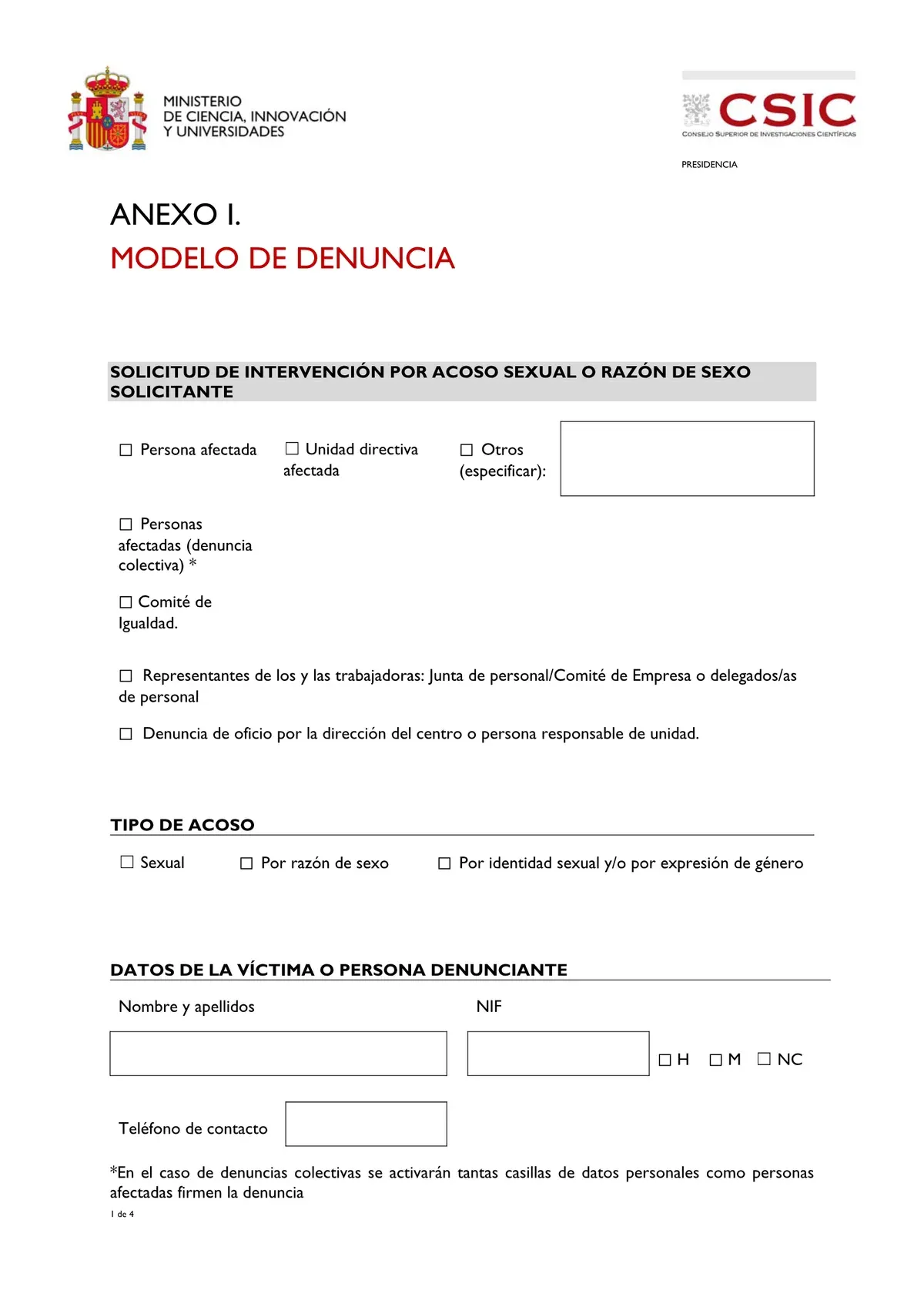 Preventing harassmentComplaint form for sexual or sex-based harassmentAnnex I to CSIC's protocolThe form to ask for the protocol to be started: who asks, the kind of harassment, the people involved and what happened.PDF · 4 pages · 0.1 MB (opens in a new tab)
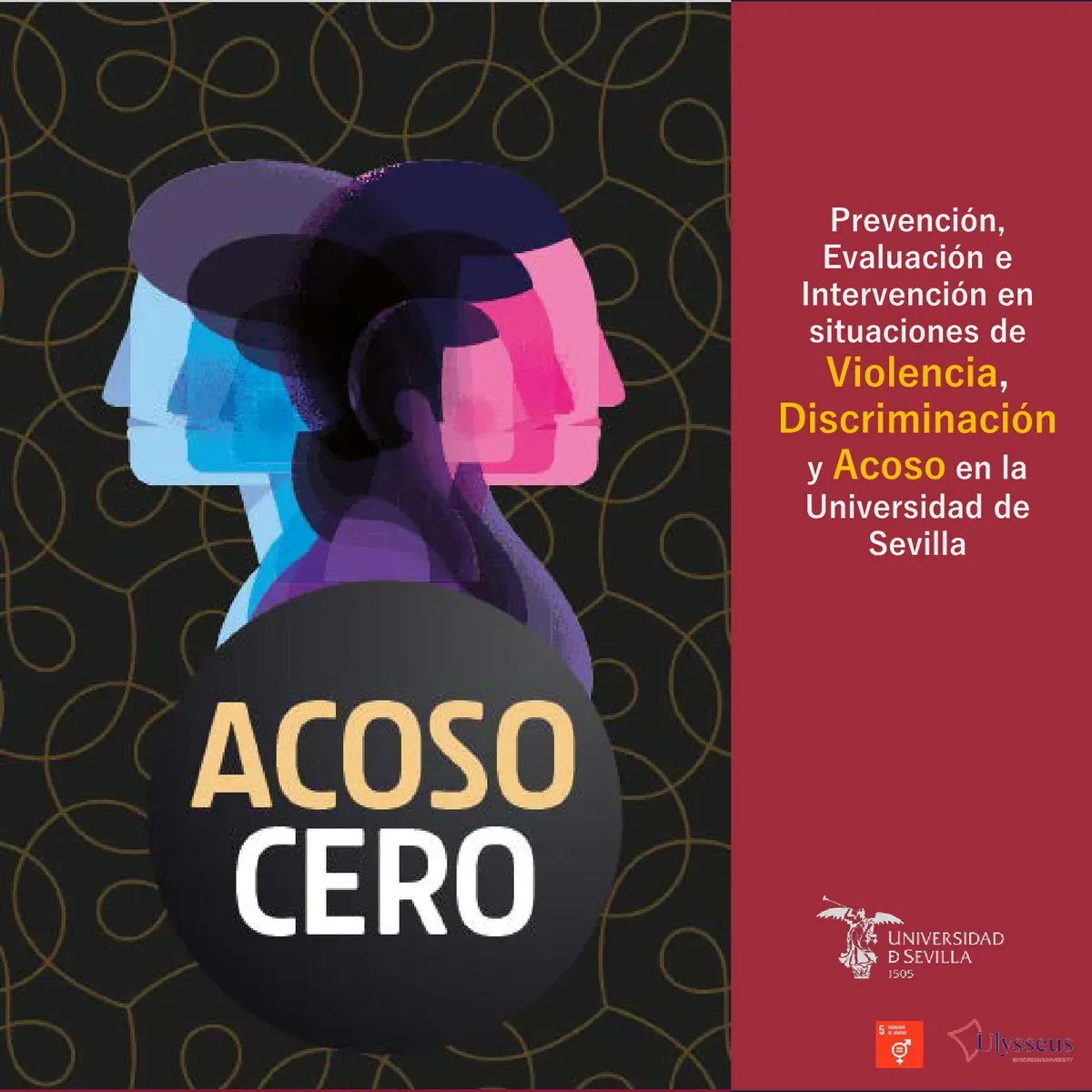 Preventing harassmentZero harassment at the University of SevillePreventing, assessing and acting on violence, discrimination and harassmentWhat the University of Seville can do about violence, discrimination or harassment, and how the procedure works, in a leaflet.PDF · 4 pages · 0.7 MB (opens in a new tab)More information (igualdad.us.es) (opens in a new tab)
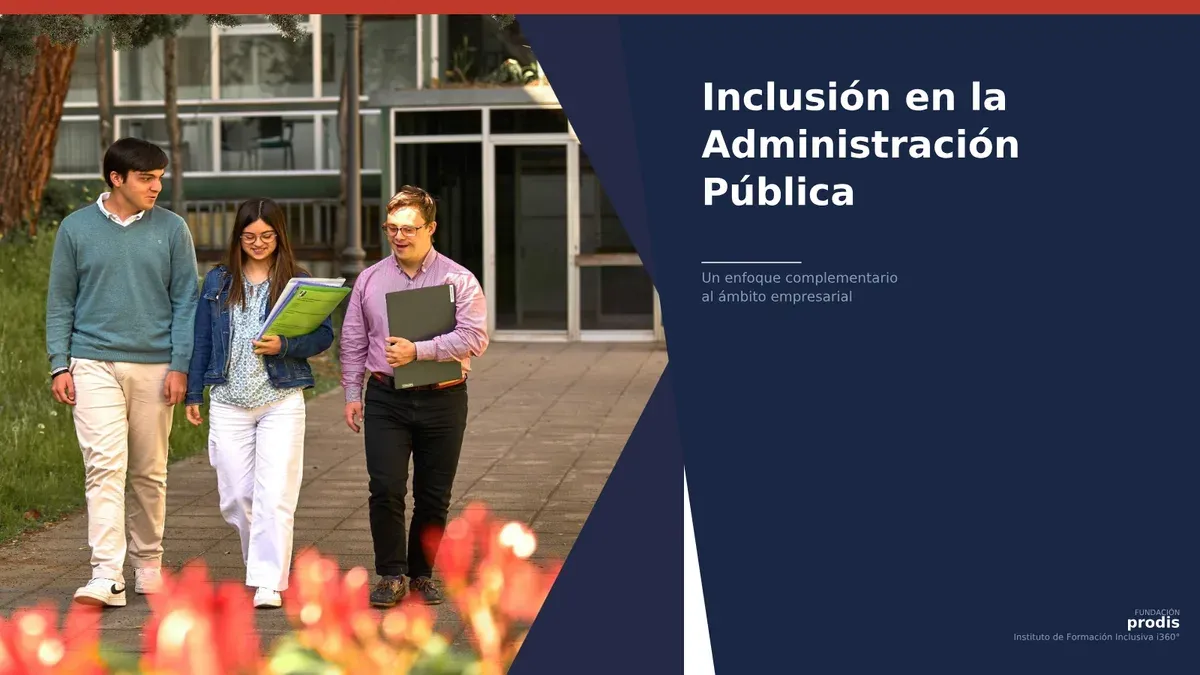 Work inclusion and rightsInclusion in the Public AdministrationA complement to the business worldThe public administration as employer and role model: the legal framework, the 7% of posts set aside, the barriers that remain and how to support access to public jobs.PDF · 11 pages · 2.7 MB (opens in a new tab)
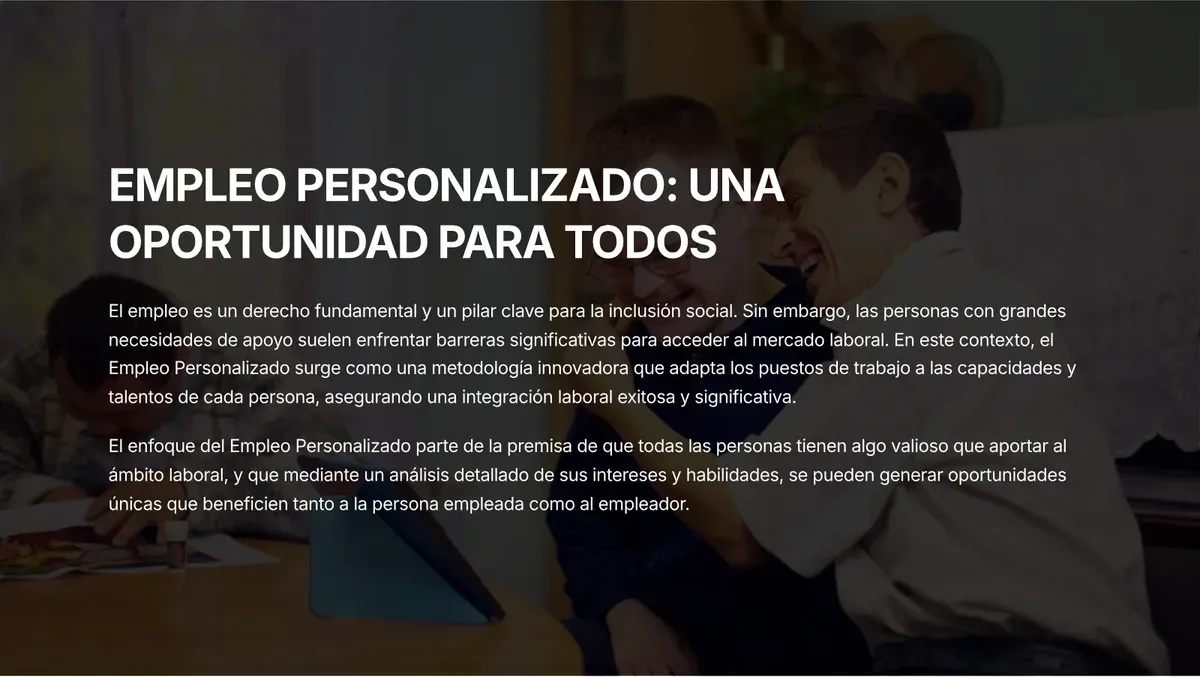 Work inclusion and rightsCustomised Employment: an opportunity for everyoneA method that shapes the job around each person's abilities instead of looking for existing vacancies: what it is, its stages and what it brings to people and companies.PDF · 10 pages · 2.5 MB (opens in a new tab)
 Work inclusion and rightsGeneral Law on the rights of persons with disabilities and their social inclusionIn easy-to-read formatThe law that recognises the rights of persons with disabilities and their social inclusion, explained in easy-to-read format.PDF · 56 pages · 3.9 MB (opens in a new tab)
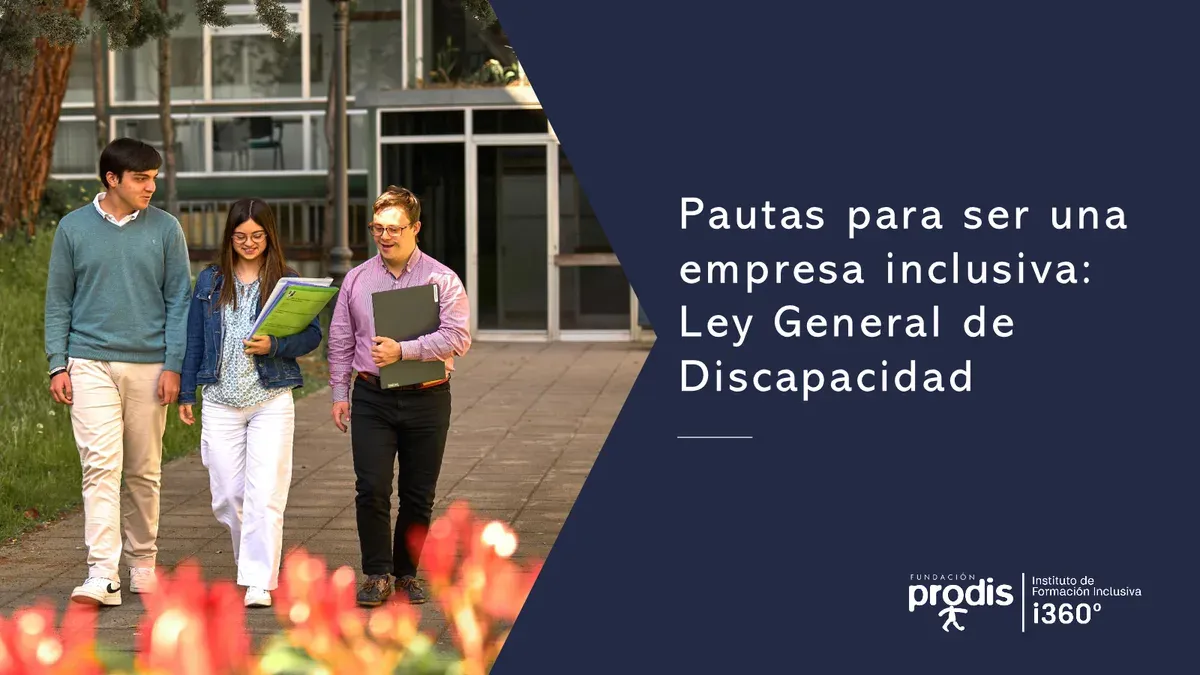 Work inclusion and rightsGuidelines for an inclusive companyThe General Disability LawWhat the General Disability Law asks of companies with over 50 staff (2% of jobs set aside), the alternative measures and where to ask for help.PDF · 7 pages · 1.9 MB (opens in a new tab)
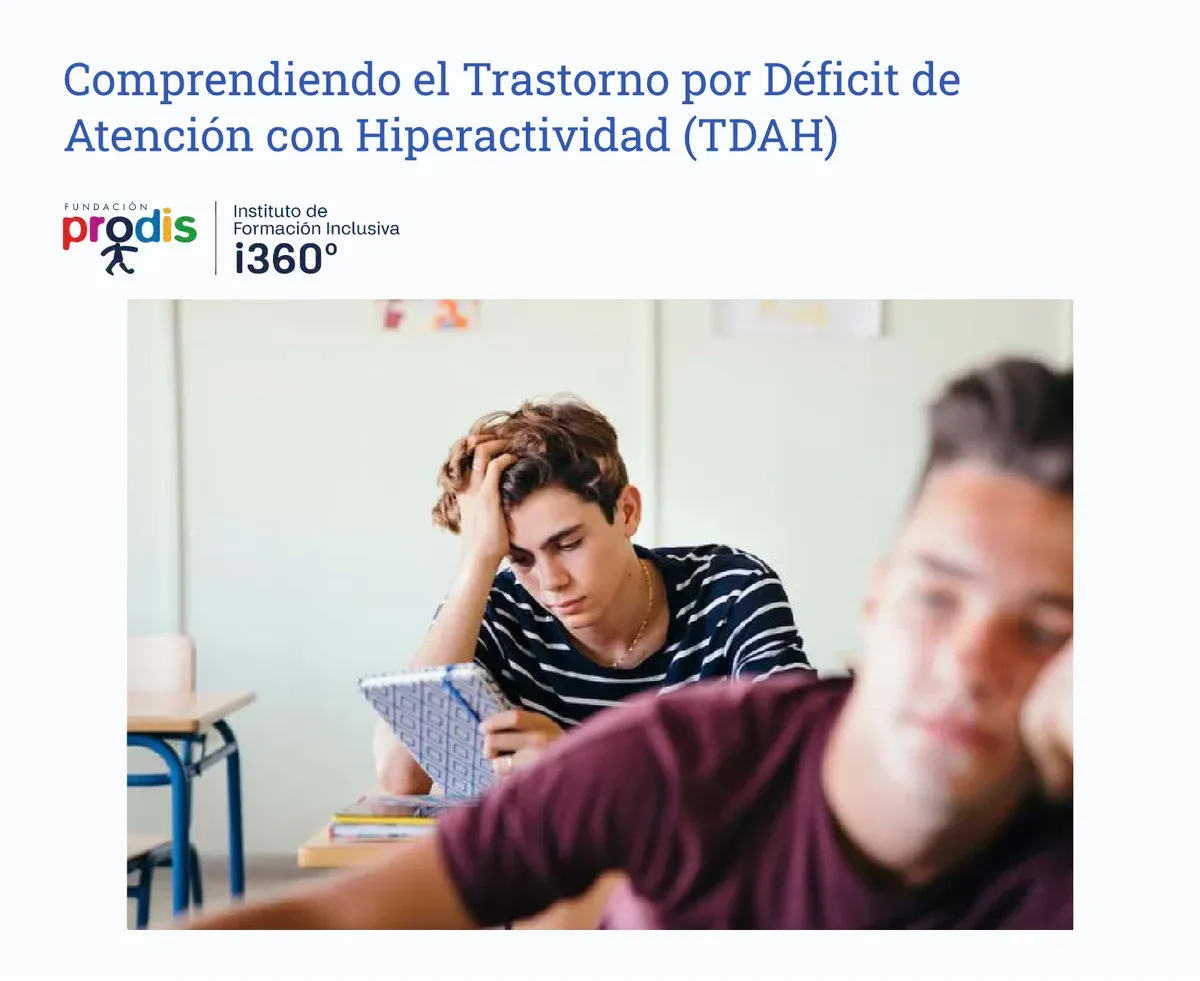 NeurodiversityGetting to know ADHDAttention deficit hyperactivity disorderWhat ADHD is, how it shows (inattention, hyperactivity, impulsivity) and how to support someone who has it.PDF · 25 pages · 7.2 MB (opens in a new tab)
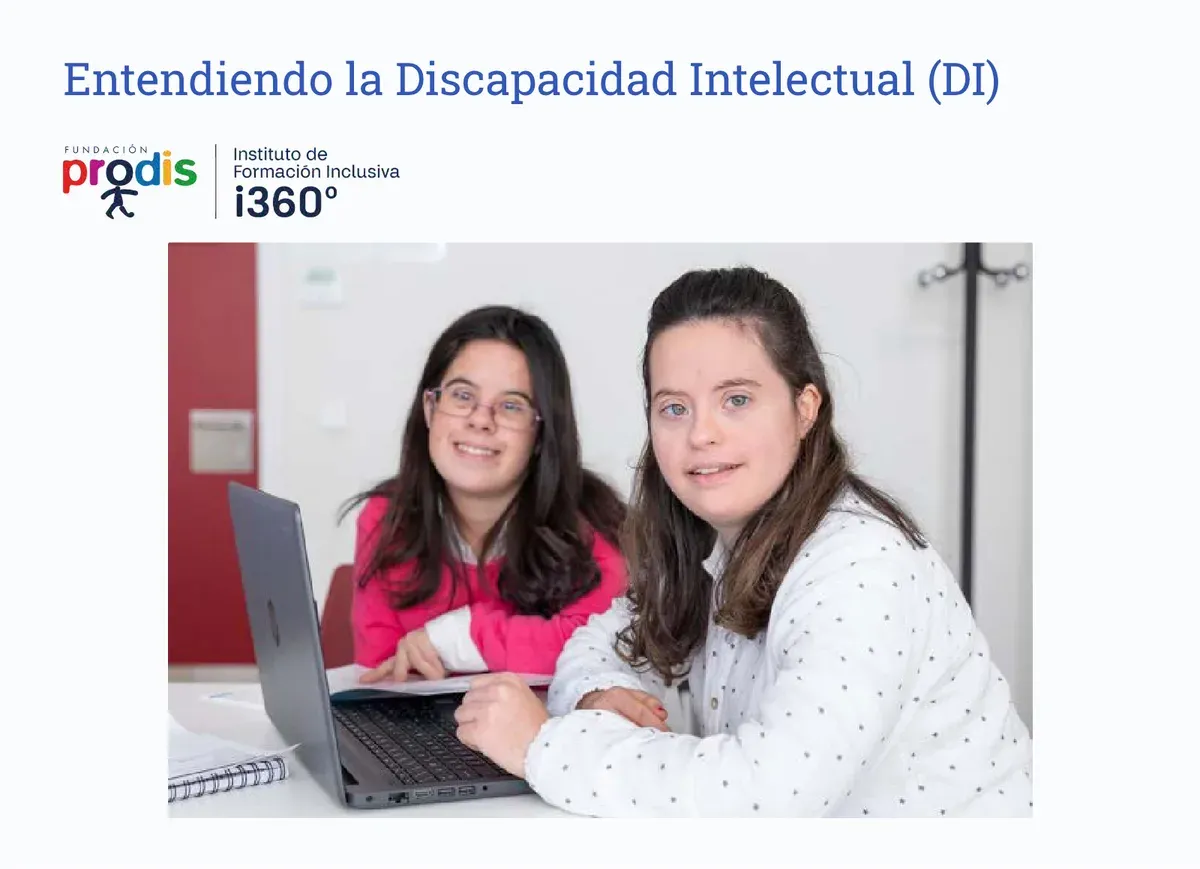 NeurodiversityUnderstanding intellectual disabilityWhat intellectual disability is, how it affects intellectual functioning and adaptive skills, and which supports help in everyday life.PDF · 26 pages · 10.5 MB (opens in a new tab)
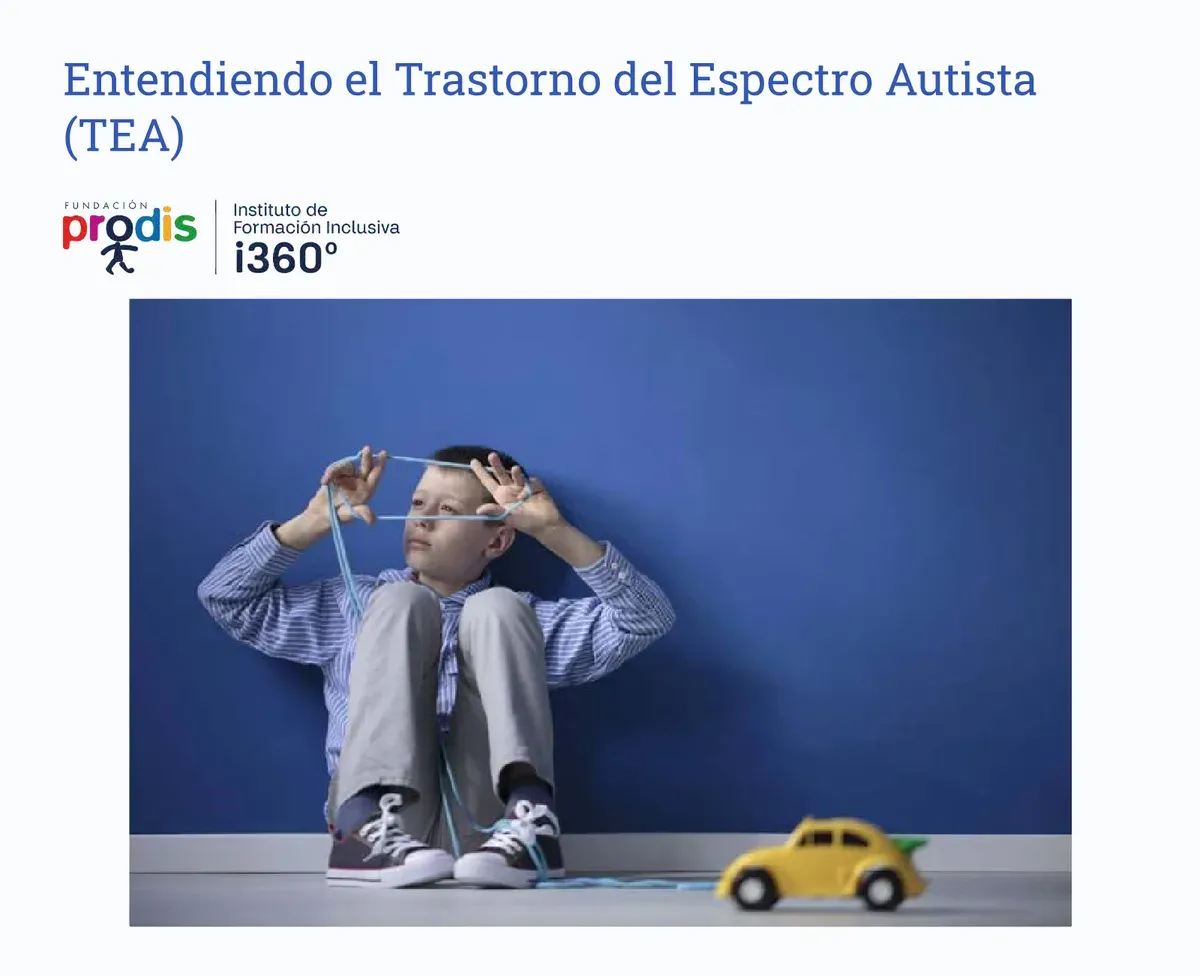 NeurodiversityUnderstanding ASDAutism spectrum disorderWhat autism spectrum disorder is: social communication, repetitive behaviours, restricted interests and sensory sensitivity.PDF · 30 pages · 12.9 MB (opens in a new tab)
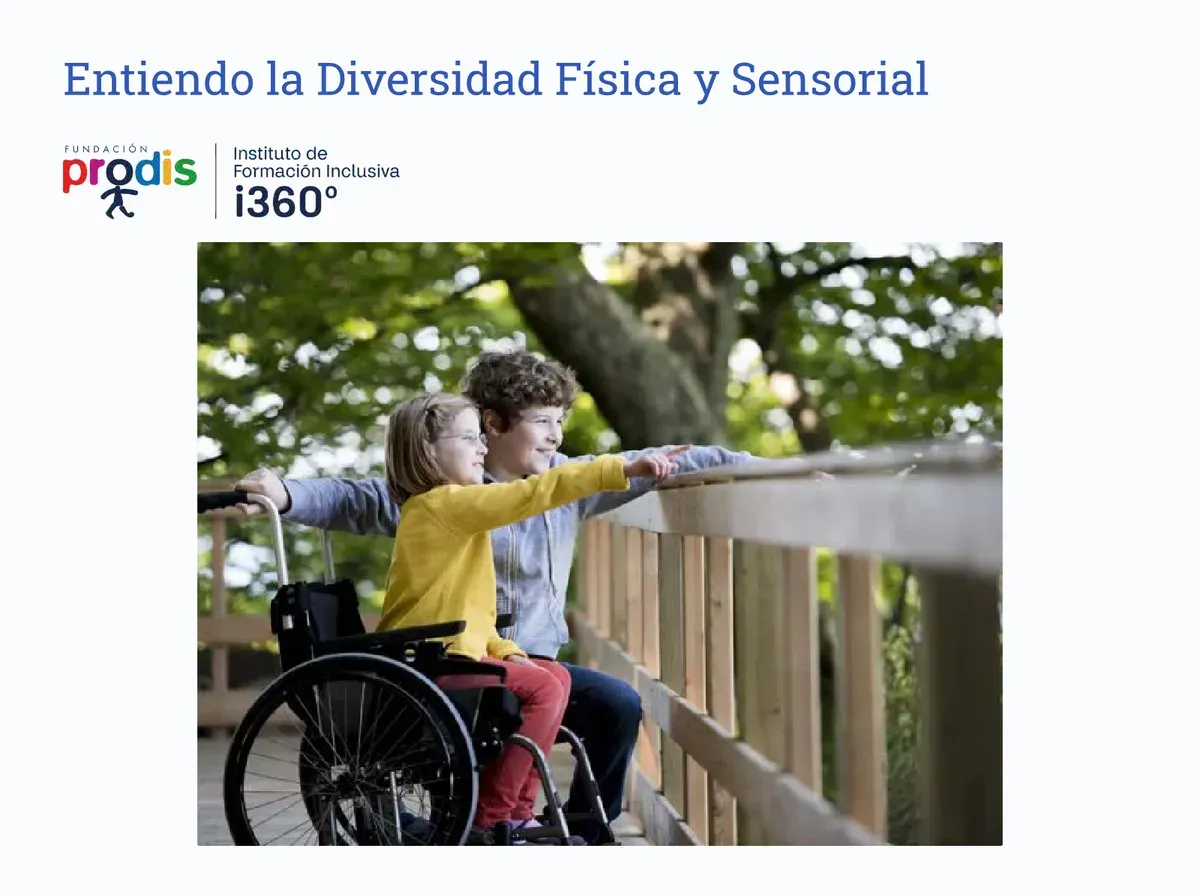 Physical and sensory diversityReflecting on physical and sensory diversityVisual, hearing and physical diversity: technical aids that give autonomy, good practices and practices to avoid.PDF · 21 pages · 6.7 MB (opens in a new tab)
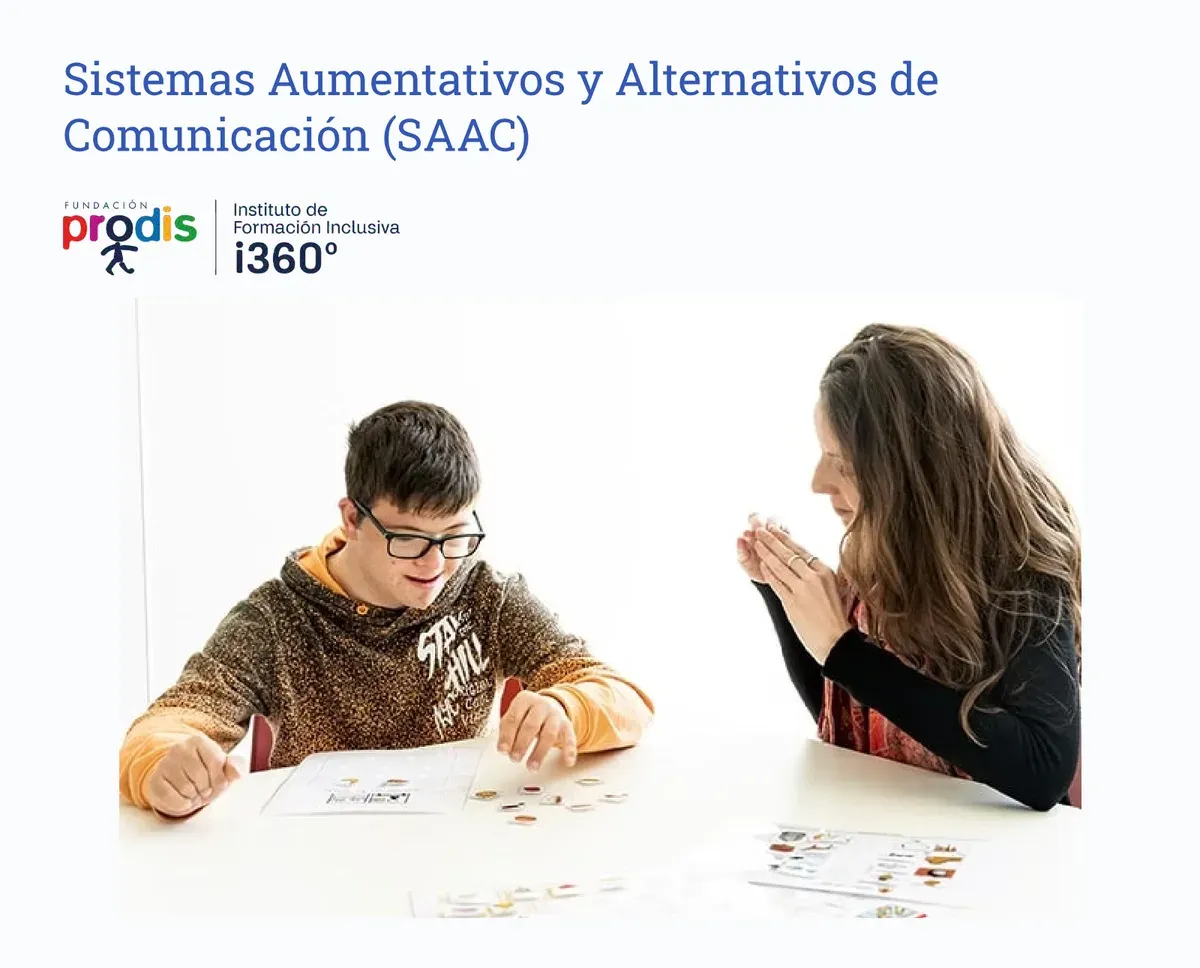 Accessible communicationWhat are AAC systems?Augmentative and alternative communicationThe tools and methods that replace or extend speech: types of AAC, aided and unaided, and who they help.PDF · 28 pages · 9.3 MB (opens in a new tab)
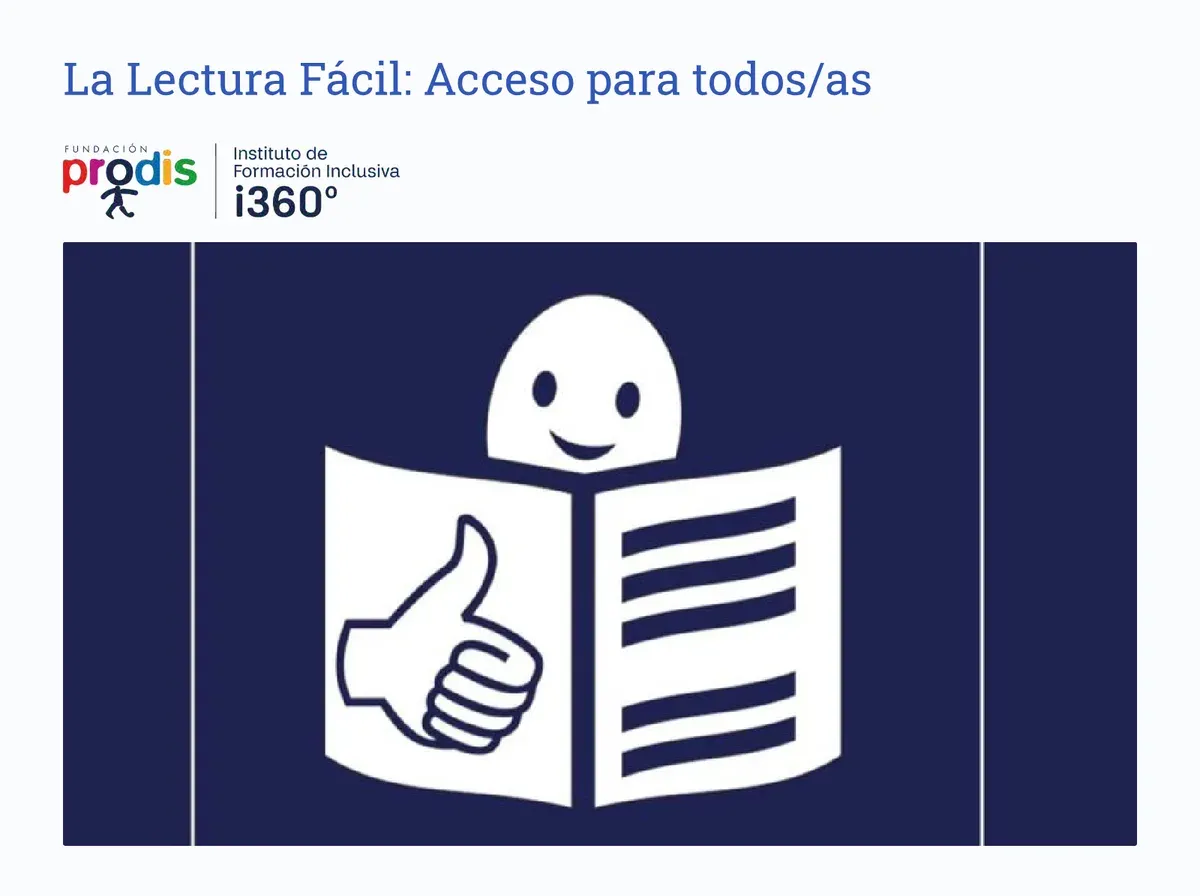 Accessible communicationGetting to know Easy ReadAccess for everyoneThe method that adapts texts so that anyone can understand them: its history, guidelines and tools, and how to recognise a validated text.PDF · 22 pages · 6.9 MB (opens in a new tab)
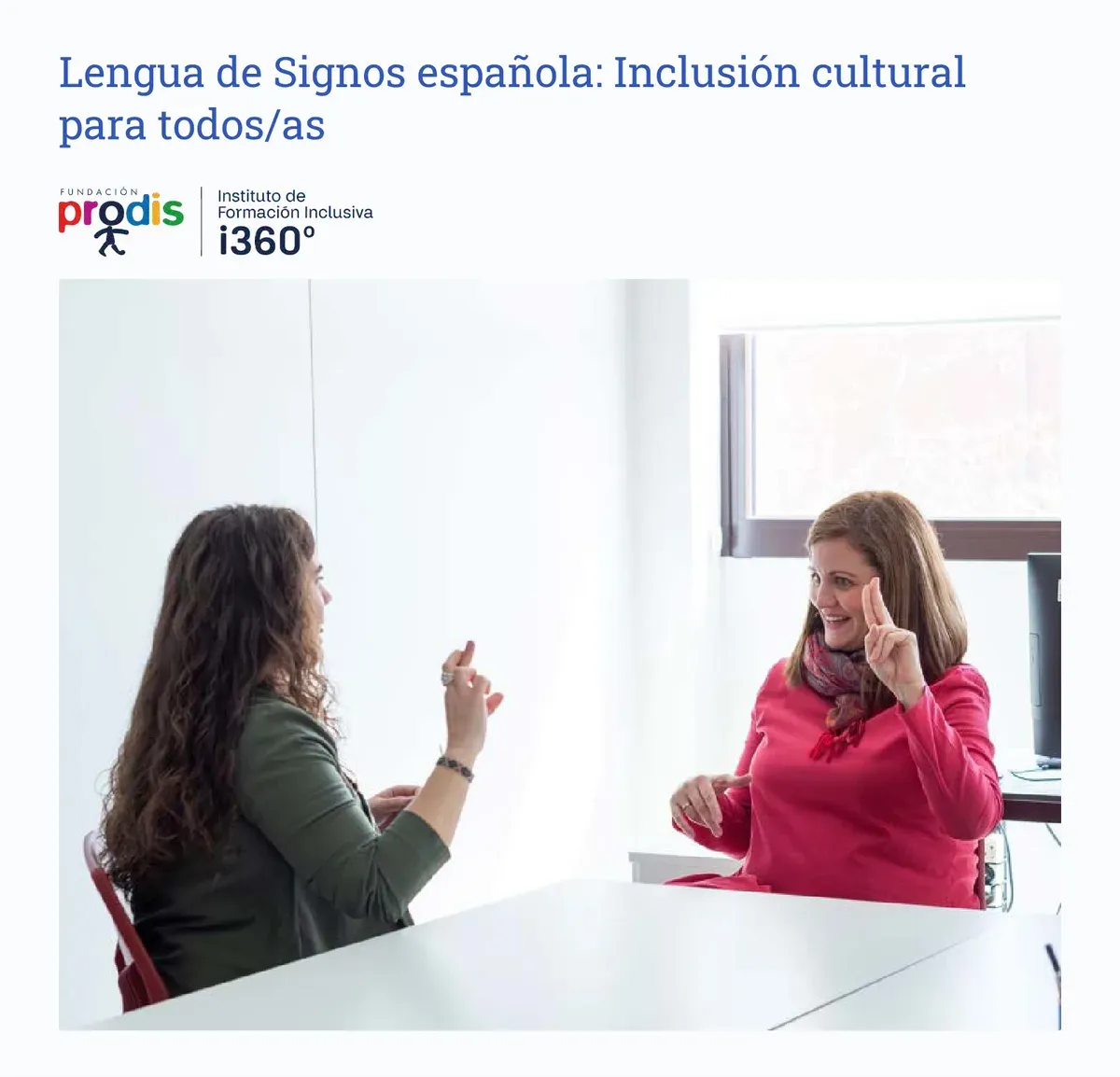 Accessible communicationSign languageSpanish Sign Language: cultural inclusion for everyoneSpanish Sign Language, visual, spatial and iconic, and the identity and culture of the Deaf community.PDF · 22 pages · 7.7 MB (opens in a new tab)