
Buscanidos: play and contribute to the conservation of the Kentish Plover
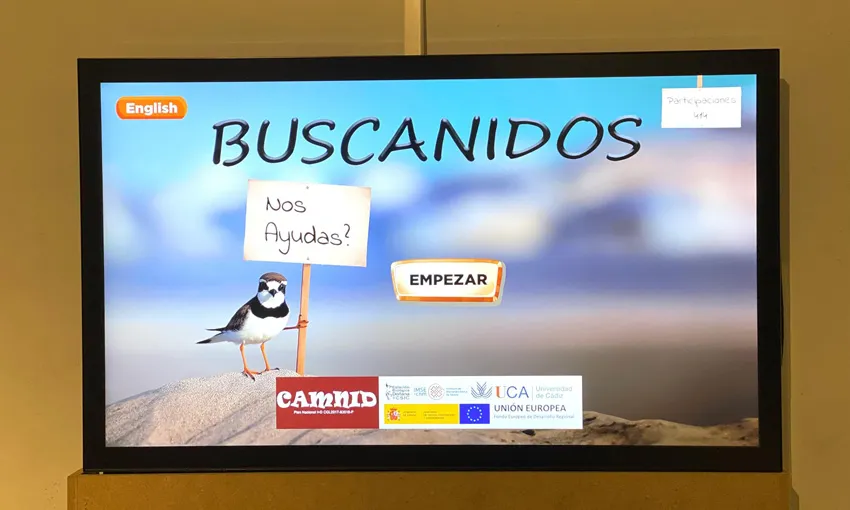
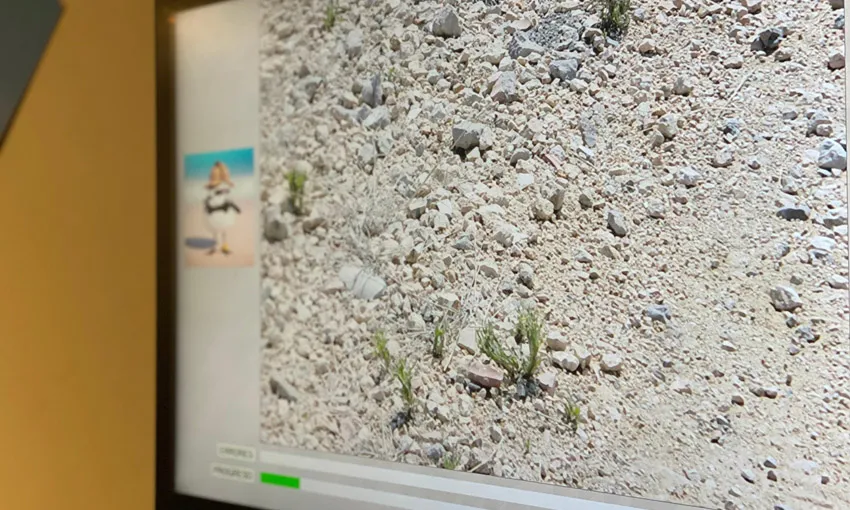
TSince October, the Museo Casa de la Ciencia in Seville has hosted the innovative interactive application Buscanidos, developed by Gustavo Liñán-Cembrano, a researcher at the Instituto de Microelectrónica de Sevilla (IMSE-CNM).
2 min read
This initiative is part of the Andalusian citizen science research project for the conservation of the Kentish Plover (Charadrius alexandrinus), led by the Consejo Superior de Investigaciones Científicas (CSIC) and the Universidad de Cádiz (UCA) under the National Research Plan. Its goal is to understand how human geological interventions—such as dikes, vehicle tracks, and dredge deposits—impact the nesting camouflage strategies of this bird species and, consequently, its reproductive success.
Through this application, users become active participants in the research by playing a game to locate camouflaged nests of this species in a series of images. This interaction is not only educational but also helps collect key data to analyze the impact of human interventions—such as dikes, pathways, or dredging—on the nests and camouflage strategies of the Kentish Plover, ultimately aiding efforts to improve its reproductive success.
Citizen participation is essential for protecting the habitats of this small bird. The game not only challenges the public to locate hidden nests but also records detection times and errors, providing researchers with crucial data on how these nests can remain unnoticed and how they are affected by changes in their environment.
Buscanidos transforms gameplay into a meaningful action for the Kentish Plover, leveraging citizen science to support the conservation of this species and its habitats in Andalusian wetlands. Anyone interested in contributing to the protection of the Kentish Plover can participate through the interactive screen located on the first floor of the Museo Casa de la Ciencia in Seville.
About the Project
The initiative stems from the project CGL2017-83518-P - Effects of Anthropogenic Geological Interventions on Nest Camouflage Strategies in the Kentish Plover (Charadrius alexandrinus), conducted between 2018 and 2021. The research was carried out in southern Spain, specifically in the wetlands of Andalusia, with the following objectives:
- To understand how the use of anthropogenic substrates affects various aspects of egg camouflage.
- To examine the effects of interactions with the thermal environment at nesting sites.
- To assess behavioral strategies aimed at enhancing camouflage and reducing the risk of embryo overheating.
Keep reading
Research
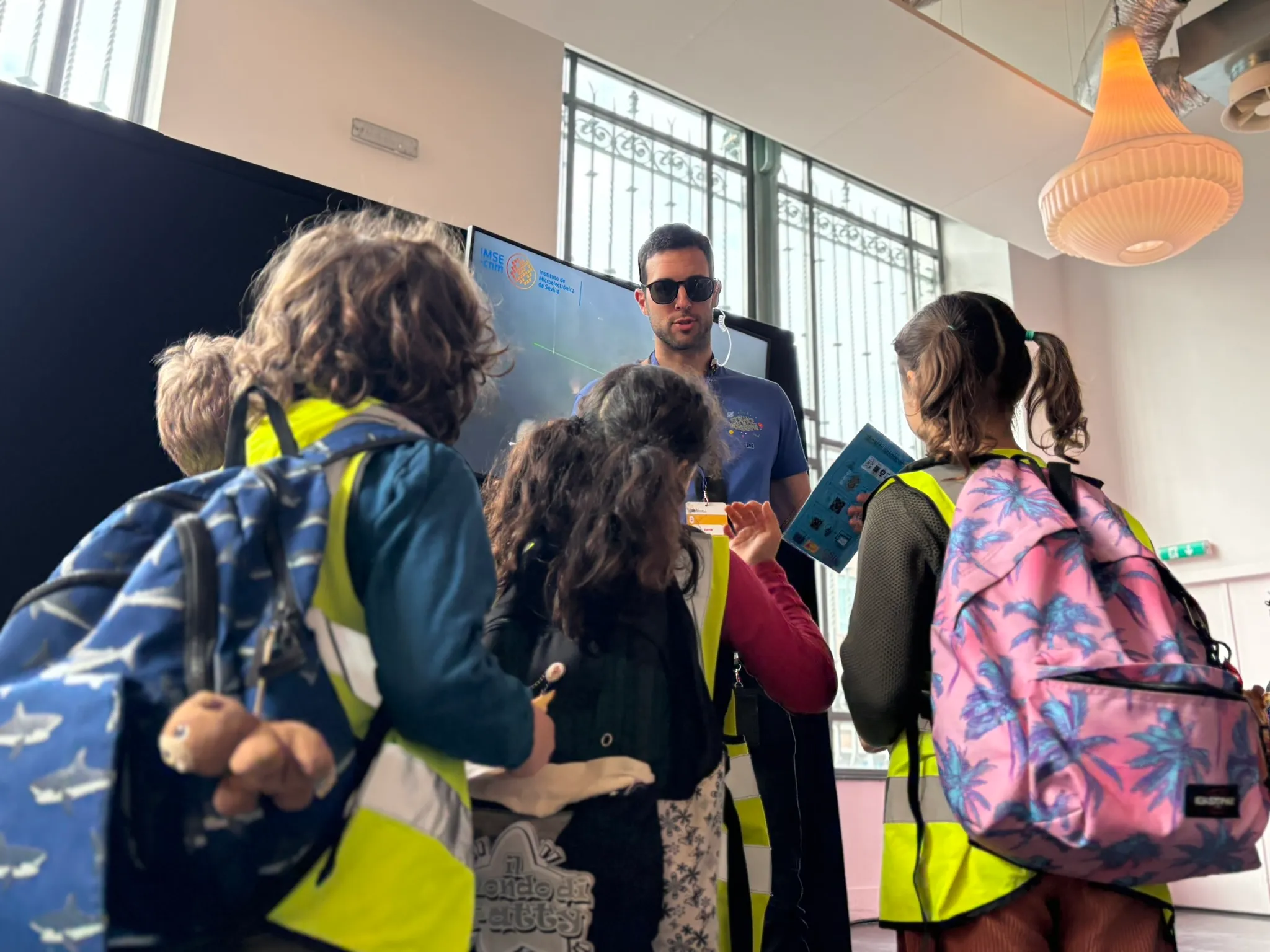
The IMSE-CNM will return to Brussels to bring cybersecurity closer to the European public
'Science is Wonderful!', the international science fair organized by the European Commission, will be held in Brussels from March 16 to 19, 2027, and will once again feature—for the fourth consecutive year—a team of researchers from the Institute of Microelectronics of Seville (IMSE-CNM)
Institutional
From wearables to facial biometrics: IMSE brings technology closer to the public
The Institute of Microelectronics of Seville participated in this European event with two outreach initiatives focused on advances in electronics, wearables, and the security of facial recognition systems
Institutional
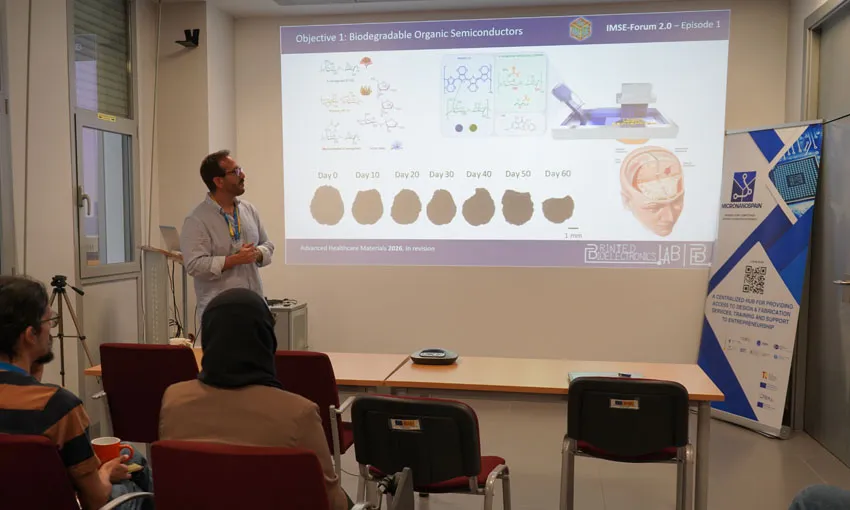
IMSE Forum 2.0: a new meeting point for research and technology
These gatherings, which are planned to take place monthly, aim to share knowledge, showcase the work being done at the IMSE, and foster the exchange of ideas